
 REQUEST AN APPOINTMENT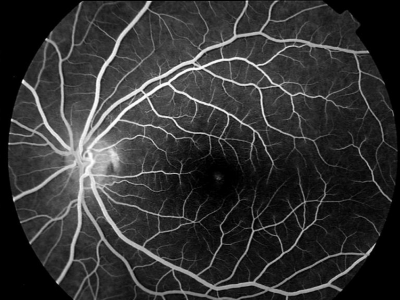
What is fluorescein angiography used for?
03 July 2025
Fluorescein Angiography is a specialized test that allows for detailed observation of blood circulation in the retina, the light-sensitive layer located at the back of the eye. It is used to detect, evaluate, and monitor various eye diseases that affect the blood vessels.
How is it performed?
During the test, a dye called fluorescein is injected into a vein in the arm. This dye travels through the bloodstream to the blood vessels in the eye. Then, using a special high-resolution camera, the ophthalmologist takes a series of photographs as the dye flows through the retinal and choroidal vessels.
What is it used for?
This exam is essential for diagnosing and managing diseases that can seriously affect vision. Its main uses include:
-
Detecting leaks or blockages in blood vessels
-
Assessing damage caused by conditions such as diabetes or hypertension
-
Identifying neovascularization (abnormal or new blood vessels)
-
Defining areas of ischemia (lack of blood supply)
-
Guiding treatments with laser or intraocular injections
Common conditions for which it is recommended:
-
Diabetic retinopathy
-
Age-related macular degeneration (AMD)
-
Retinal vein or artery occlusions
-
Central serous chorioretinopathy
-
Uveitis or intraocular inflammation
Thanks to this test, the specialist can make a more accurate diagnosis and plan the most effective treatment for each patient.


