Av. Independencia 853, University Zone, Santo Domingo, D.R.
Mon - Fri: 7:00 a.m. - 7:00 p.m. Sat: 8:00 a.m. - 1:00 p.m.
English

Cataracts: How to Recognize the Early Warning Signs. Diario Libre Newspaper

24 May 2026


Many people begin to notice that they need more light to read, that driving at night becomes uncomfortable, or that colors no longer appear as vibrant as they once did. Without realizing it, they gradually adapt to seeing less and often assume it is simply a normal part of aging.

However, behind these changes, a cataract may be developing. A cataract is the loss of transparency of the eye’s natural lens, a very common condition after the age of 60 and one of the leading causes of vision loss among adults.

Today, thanks to advances in ophthalmology, cataracts can be detected and treated long before they completely interfere with daily life. Surgery has evolved into not only a solution for restoring vision, but also an opportunity to significantly improve it.

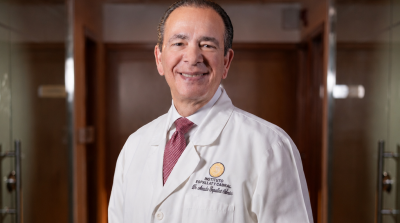
To better understand one of the leading causes of vision loss in the adult population, we spoke with Dr. Arnaldo Espaillat, Medical Director of Instituto Espaillat Cabral, about the warning signs that often go unnoticed, the most common myths surrounding cataracts, and the importance of protecting eye health before complications arise.

What are the first warning signs that may indicate a person is developing a cataract?

The earliest signs usually include blurred or cloudy vision, increased sensitivity to light, difficulty driving at night, seeing halos around lights, and frequent changes in eyeglass prescriptions.

Many people also notice that colors appear less vivid. It is important to understand that these changes typically occur gradually, which is why a timely eye examination is key to early detection.

Many people believe that a cataract must “mature” before it can be removed. How true is this today?

That was a common belief many years ago when surgical techniques were very different. Today, it is no longer necessary to wait for a cataract to “mature.”

In fact, the more advanced the cataract becomes, the more it can affect visual quality and, in some cases, make surgery more complex. We currently recommend surgery when the cataract begins to interfere with a patient’s daily activities and quality of life.

Are there factors other than aging that can accelerate the development of cataracts?

Yes. Although aging is the most common cause, other factors can accelerate cataract development, including diabetes, prolonged exposure to sunlight without UV protection, smoking, long-term steroid use, eye injuries, and certain pre-existing eye diseases.

Is surgery always the only solution for cataracts, or are there stages where the condition can be managed in other ways?

In the early stages, some patients may experience temporary improvement through changes in their eyeglass prescription, better lighting, or certain adjustments to their daily activities.

However, cataracts do not disappear or stop progressing with medications or eye drops. The only definitive treatment is surgery, which involves replacing the clouded natural lens of the eye with a clear artificial intraocular lens.

How have advances in technology and intraocular lenses improved patients’ quality of life after cataract surgery?

The evolution has been remarkable. Today, we have advanced laser technology and intraocular lenses that not only restore vision but can also correct visual conditions such as myopia, hyperopia, astigmatism, and presbyopia in many patients.

This has transformed cataract surgery into an opportunity not only to see better, but also to significantly improve overall quality of life.

What advice would you give for maintaining eye health and detecting conditions such as cataracts early?

The most important thing is not to wait until vision loss becomes advanced before visiting an ophthalmologist. I recommend regular eye examinations, especially for children before they begin school and annually after the age of 40.

It is also important to protect the eyes from UV radiation, manage conditions such as diabetes, avoid smoking, and maintain healthy lifestyle habits. Detecting problems early allows us to offer better treatment options and preserve the patient’s visual quality.

Read the full press release in Diario Libre: https://www.diariolibre.com/revista/buena-vida/2026/05/24/como-reconocer-las-primeras-senales-de-alerta-de-catarata/3542680
Social outreach event for glaucoma screening 2026

16 March 2026

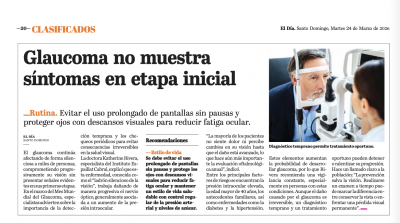
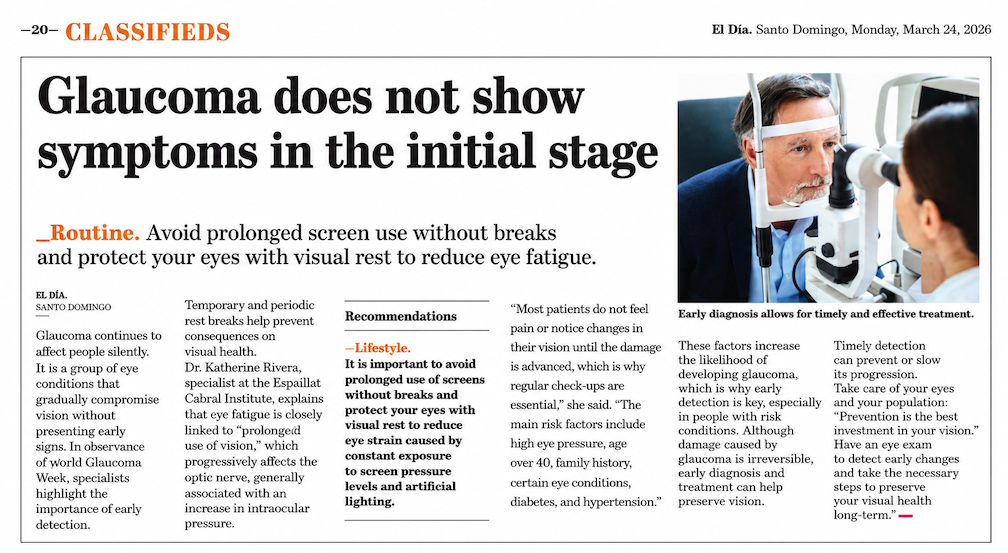
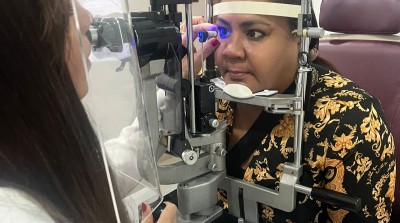
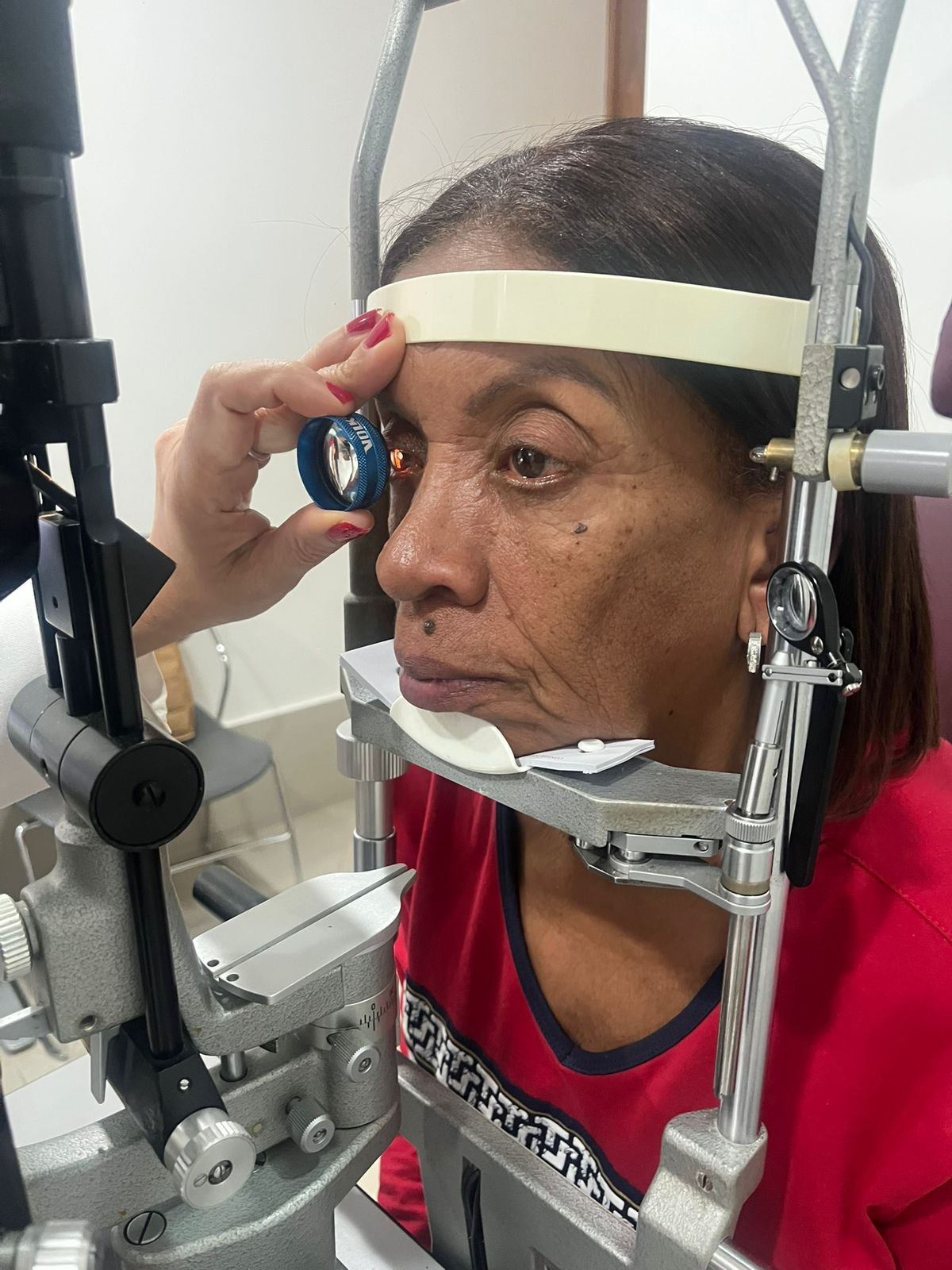
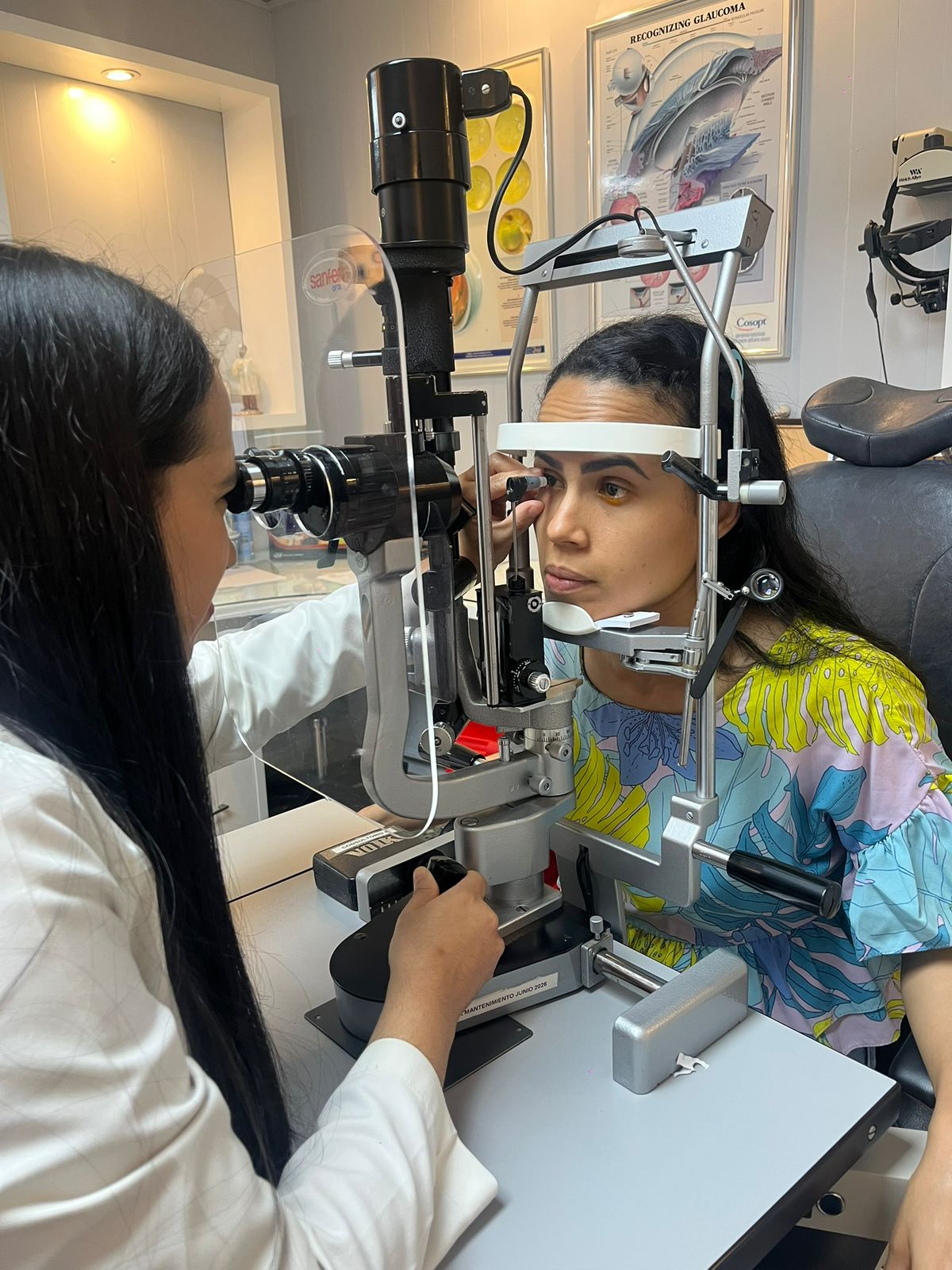
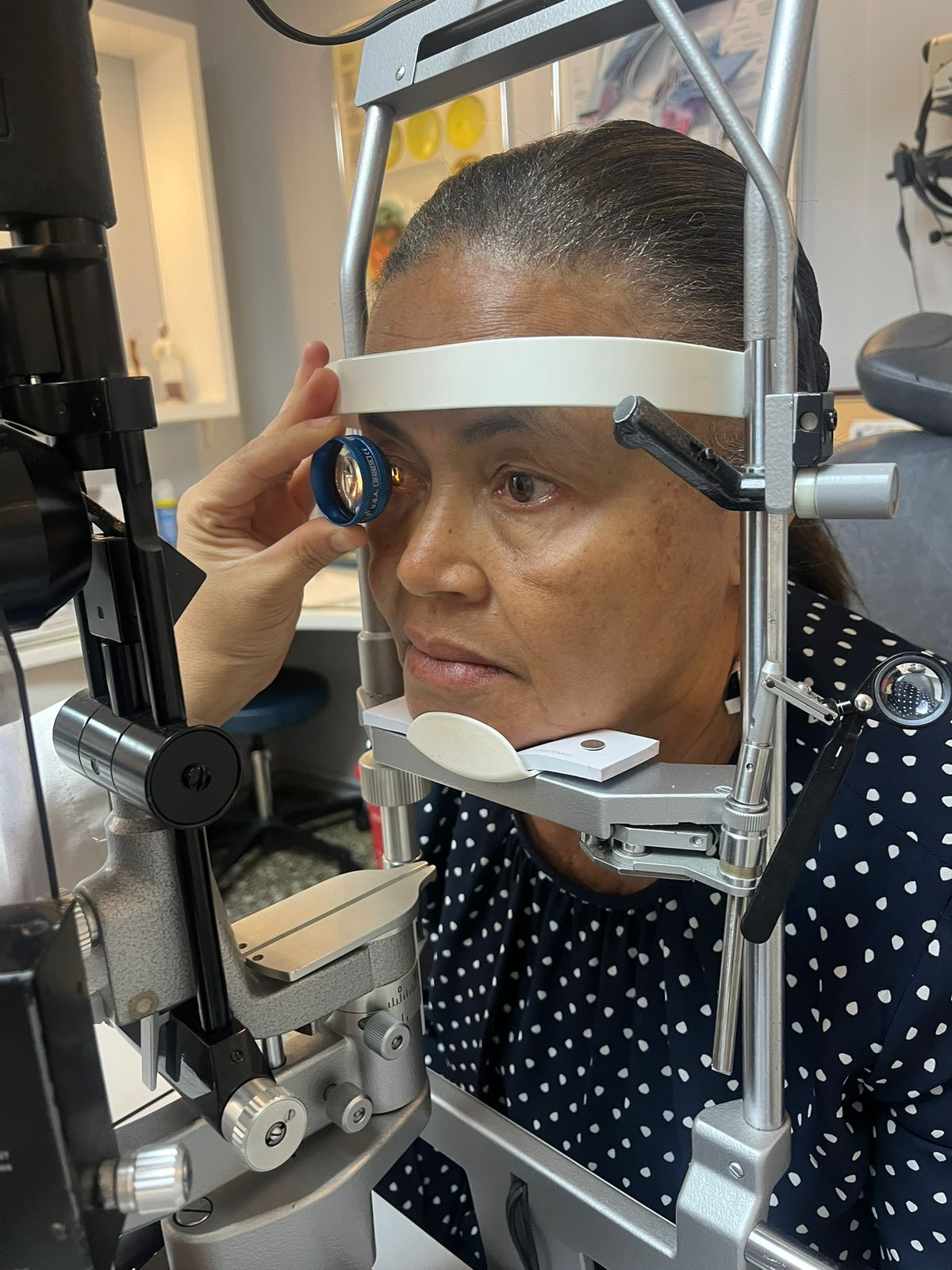
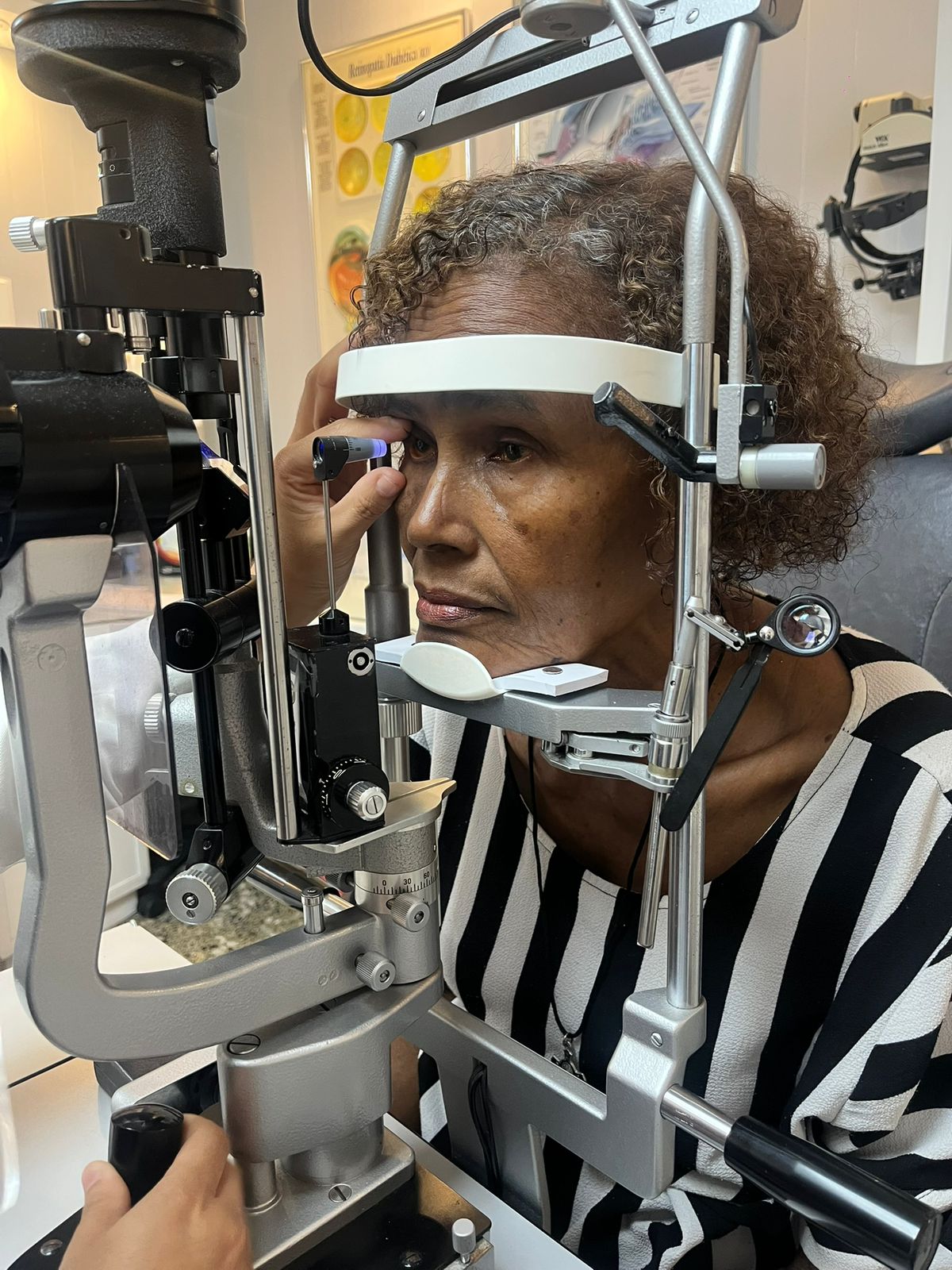
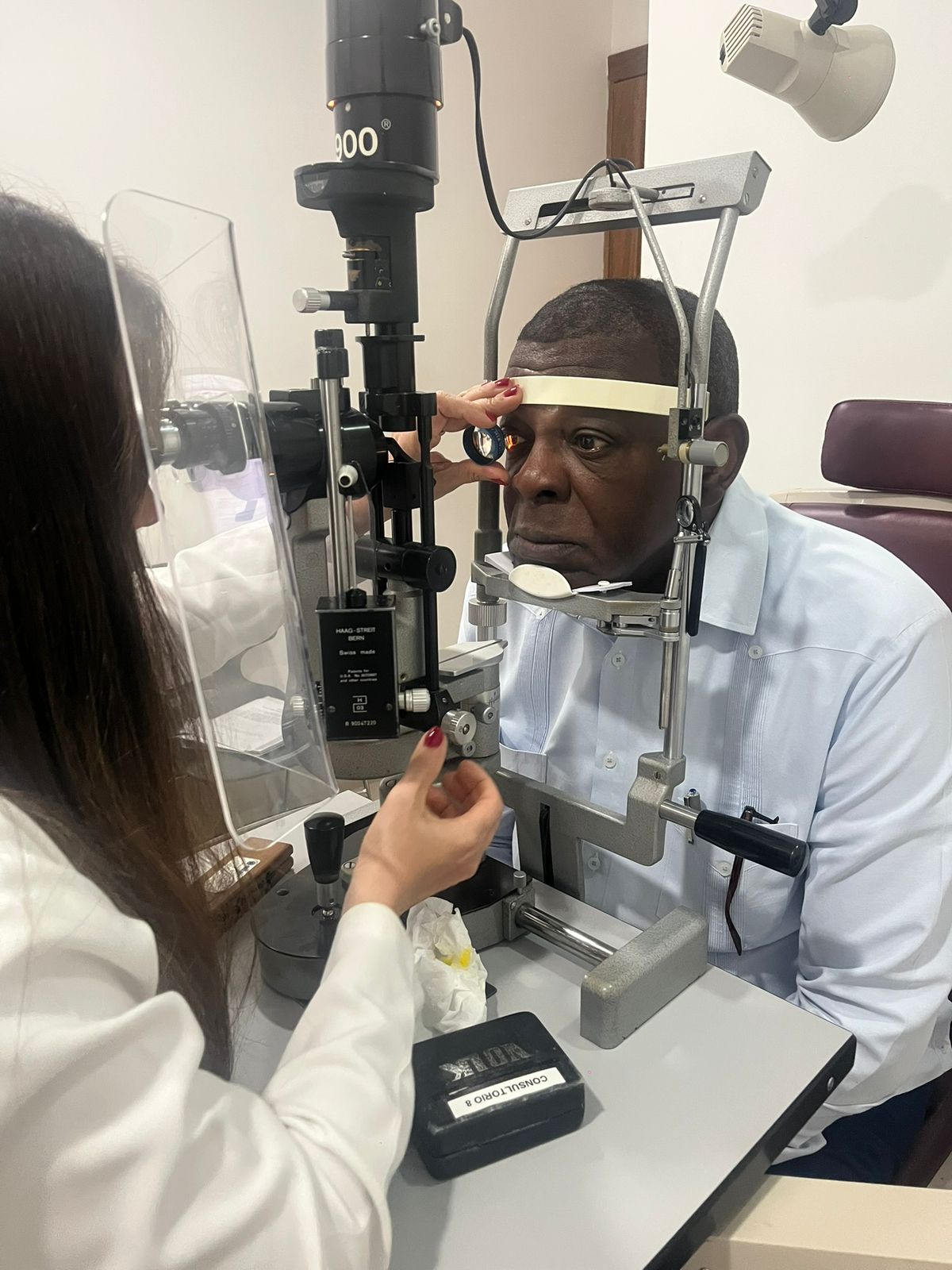
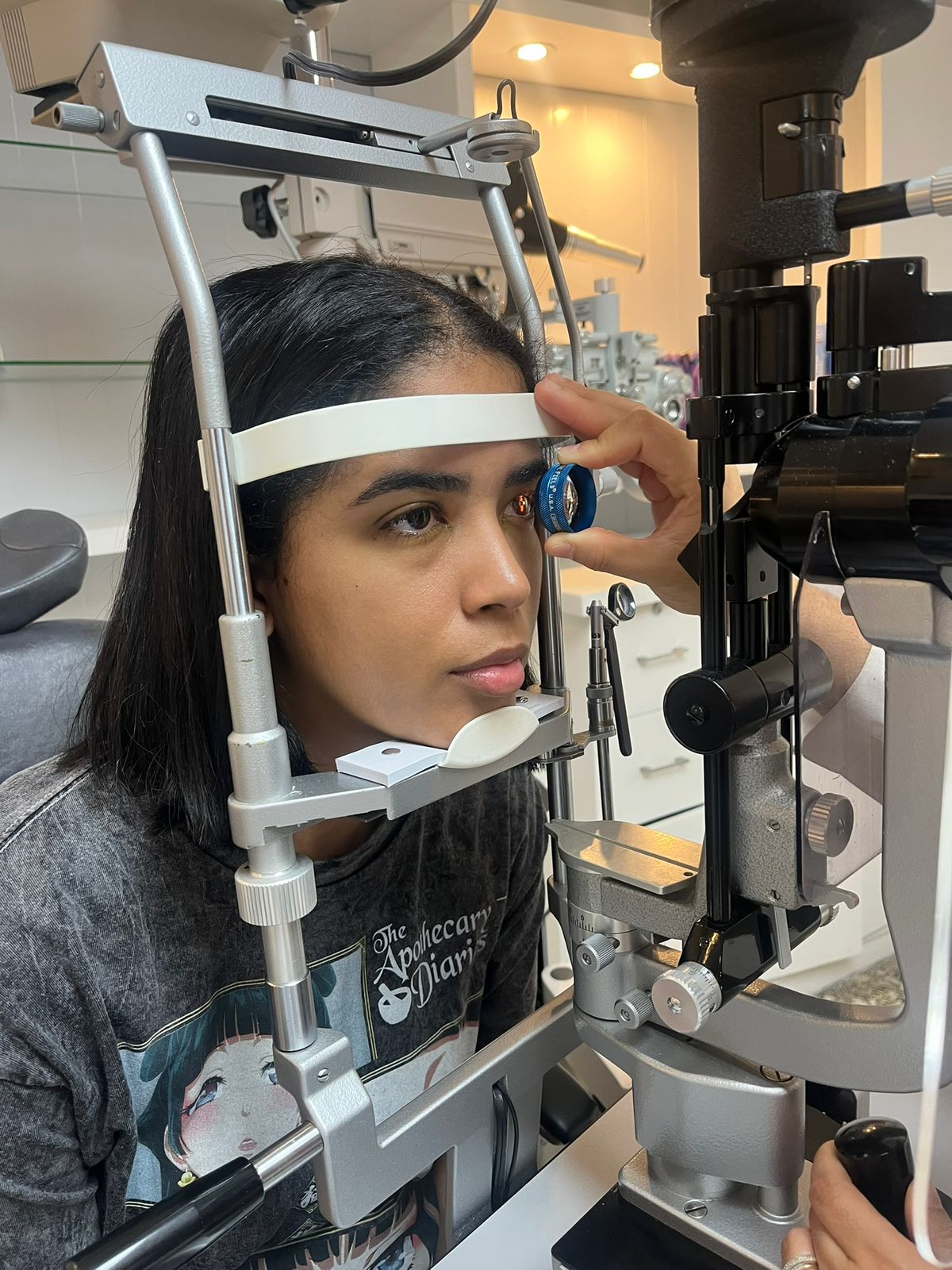
Last Friday, March 13, and Saturday, March 14, we conducted our community glaucoma screening campaign, led by Dr. Katherine Rivera and Dr. Katia Cabrero.

During this initiative, intraocular pressure measurements were performed, a key test for the early detection of glaucoma. Regular eye examinations are essential, as this disease of the optic nerve often develops without noticeable symptoms in its early stages.

PHOTO 2026 03 16 15 32 56 6    PHOTO 2026 03 16 15 32 55

PHOTO 2026 03 16 15 32 55 2     PHOTO 2026 03 16 15 32 56

PHOTO 2026 03 16 15 32 56 5    PHOTO 2026 03 16 15 32 56 3

Diabetes Can Damage Your Retina Before You Notice It. Hoy Newspaper

13 February 2026


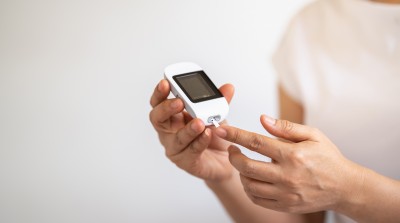
Diabetic retinopathy is one of the most common complications of diabetes and a leading cause of vision loss among working-age adults. This condition affects the blood vessels of the retina and can progress silently if not detected early, leading to irreversible changes.

Dr. Patricia Fernández, a Retina and Vitreous Specialist at Instituto Espaillat Cabral, explains that the damage occurs when elevated blood sugar levels weaken the retinal blood vessels, causing leakage, swelling, or the growth of abnormal blood vessels that can seriously compromise vision.

“Diabetic retinopathy may not present noticeable symptoms in its early stages. By the time a patient experiences blurred vision, dark spots, or vision loss, the disease may already be advanced. That is why we strongly emphasize the importance of regular eye examinations,” says Dr. Fernández.

Everyone diagnosed with diabetes, whether type 1 or type 2, should undergo a comprehensive eye examination at least once a year. This exam should include pupil dilation. Clinical studies have shown that proper control of blood glucose, blood pressure, and cholesterol levels is also essential in reducing the risk of disease progression.

In its early stages, diabetic retinopathy can often be managed through close monitoring and proper metabolic control. In more advanced cases, treatments such as intravitreal injections, laser therapy, or vitreoretinal surgery can help preserve vision and prevent further complications.

“The message is clear: diabetes does not only affect blood sugar levels—it can also affect your eyesight. Early detection can make the difference between preserving and losing vision,” emphasizes the specialist.

Instituto Espaillat Cabral is equipped with advanced technology and a specialized team dedicated to the diagnosis and treatment of retinal diseases, providing comprehensive and personalized care for patients with diabetes and other eye conditions.

Read the press release published in Hoy newspaper: https://hoy.com.do/vivir/salud/diabetes-danar-retina-notes_1076288.html

Espaillat Cabral Institute, a pioneer in correcting presbyopia with PRESBYOND. Diario Libre Newspaper

15 January 2026


The Espaillat Cabral Institute, a leading ophthalmology center in the Dominican Republic and a reference in advanced technology for vision correction, announces the arrival in the country of PRESBYOND Laser Blended Vision, the most modern and least invasive laser solution for presbyopia, also known as “age-related farsightedness” or “tired eyes.”

Presbyopia is a visual condition that naturally appears with age, when the eye gradually loses the ability to focus on nearby objects. This affects everyday activities such as reading, using a cellphone, viewing a restaurant menu, reading small print on supermarket products, or working in front of screens, forcing many people to rely on reading glasses or multifocal lenses.

With PRESBYOND, developed by the renowned German company ZEISS and supported by more than a decade of clinical evidence, patients can regain clear vision at all distances—near, intermediate, and far—through a fast, outpatient, and highly personalized procedure.

“At the Espaillat Cabral Institute, we maintain a постоян commitment to innovation and clinical excellence. The incorporation of PRESBYOND represents an important advance for our patients, as it allows continuous and natural vision at all distances with a less invasive and highly safe procedure,” said Dr. Arnaldo Espaillat, Medical Director of the Institute.

PRESBYOND stands out for being a fully personalized treatment, enabling more natural, balanced, and precise vision. This level of customization is key to achieving visual results that align with each patient’s lifestyle and expectations.

In addition, it offers continuous vision at all distances thanks to Laser Blended Vision technology, which optimizes the dominant eye for distance vision and the non-dominant eye for near vision. Between these distances, PRESBYOND creates a fusion zone that allows the brain to combine images from both eyes. The result is smooth, three-dimensional, and comfortable vision, without interruptions between near, intermediate, and distance vision.

Another aspect that makes PRESBYOND a standout alternative is that it is a less invasive procedure. The laser acts only on the cornea, it is painless, the treatment is completed in a matter of minutes, and it does not require implants or intraocular surgery.

The results are also a significant advantage. Many patients notice visual improvement as early as the day after the procedure. Although full neuroadaptation may take between one and six months, the process is usually progressive, comfortable, and associated with high levels of satisfaction.

Moving forward in excellence

The incorporation of PRESBYOND reaffirms the Espaillat Cabral Institute’s leadership as a pioneer in adopting cutting-edge technologies in the region. This procedure is performed by highly trained specialists, under strict safety standards, using ZEISS laser technology.

“Our goal has always been to offer solutions that truly improve quality of life. PRESBYOND allows people to return to their daily activities with clearer, more natural, and more stable vision,” concluded Dr. Espaillat.

Read the full press release in Diario Libre: https://www.diariolibre.com/actualidad/contenido-patrocinado/2026/01/13/instituto-espaillat-cabral-pionero-en-corregir-con-presbyond/3401768

Social Outreach Initiative for Diabetic Patients

20 November 2025


On Saturday, November 15, we carried out our social outreach initiative for diabetic patients, led by our Retina and Vitreous specialists: Dr. Mayelinne García and Dr. Patricia Fernández.

Operativo diabetes 1 Operativo diabetes 2

Operativo diabetes 3   Operativo diabetes 4

Operativo diabetes 5

Espaillat Cabral Institute introduces the next-generation Hemera CO₂ Laser for Oculoplastics. Diario Libre Newspaper

19 November 2025


The Espaillat Cabral Institute reaffirms its commitment to medical innovation, excellence in visual health, and the overall well-being of its patients with the incorporation of the Hemera CO₂ Laser, a cutting-edge technology that combines surgical precision with superior aesthetic results in oculoplastic procedures and facial rejuvenation treatments.

This equipment represents a significant advancement in eyelid surgery and other procedures involving periocular tissues, as it enables fine, controlled incisions with a faster and more comfortable recovery. Thanks to its precision, procedures become safer and more predictable, offering natural and refined results that respect each patient’s facial expression.

The CO₂ Laser is especially useful in both aesthetic and functional surgical procedures, such as blepharoplasty, the correction of eyelid malpositions, and the removal of tumors or lesions on the eyelids. Its technology allows surgeons to work with a millimetric level of accuracy. This makes each procedure safer, more efficient, and more comfortable for the patient, while achieving high-quality results.

But the benefits of the CO₂ Laser are not limited to oculoplastics. It is also used in full facial rejuvenation treatments, including the softening of expression lines, improvement of skin texture and firmness, and natural collagen stimulation, resulting in a brighter, more rested, and more harmonious appearance. These treatments enhance natural expression, restoring freshness and vitality to the face without the need for invasive procedures or long recovery times. For this reason, it is an ideal option for those seeking safe, effective, and natural aesthetic care.

Oculoplastics, a subspecialty of ophthalmology that combines the functional and aesthetic health of the eyelids, orbit, and tear ducts, benefits greatly from this advanced technology. With the CO₂ Laser, specialists at the Institute can perform complex procedures with precision, safety, and superior aesthetic outcomes, achieving less invasive interventions and faster recoveries while preserving the natural look of the eyes.

Another important aspect of this technology is its ability to personalize treatments according to each patient’s needs. Every face and every eyelid has unique characteristics, and the laser allows specialists to adjust the intensity and depth of the treatment, offering individualized and harmonious results.

The arrival of this laser sets a new standard in oculoplastics and facial rejuvenation, demonstrating that high-quality medical care can combine surgical precision, aesthetic refinement, and patient comfort. These treatments not only improve functionality and visual health but also provide aesthetic benefits that enhance confidence and natural expression.

With more than five decades of experience, the Espaillat Cabral Institute continues to strengthen its position as a leader in ophthalmology in the Dominican Republic. The incorporation of the Hemera CO₂ Laser reinforces its mission of continuous innovation, ongoing medical training, and the adoption of state-of-the-art technology, ensuring that every patient receives top-tier care across all ophthalmic subspecialties.

Read the full press release in Diario Libre: https://www.diariolibre.com/actualidad/contenido-patrocinado/2025/11/17/instituto-espaillat-cabral-introduce-el-laser-co2-hemera/3312556

Espaillat Cabral Institute strengthens diagnostic precision in glaucoma. Diario Libre Newspaper

06 November 2025


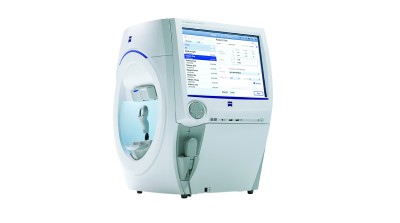
The Espaillat Cabral Institute, the first ophthalmology clinic in the Dominican Republic and accredited by the ACHC of the United States for its compliance with health quality standards, reaffirms its leadership in innovation in the region with the incorporation of the Humphrey Field Analyzer 3 (HFA3) from ZEISS, recognized worldwide as the most advanced device for visual field testing and glaucoma monitoring.

The visual field refers to everything a person can perceive around them while keeping their gaze fixed on a specific point. Its evaluation is a fundamental exam in ophthalmology, as it helps detect alterations that often go unnoticed by patients in their daily lives. This is especially relevant in diseases such as glaucoma, a silent and progressive eye condition that damages the optic nerve and, if not diagnosed and treated in time, can lead to irreversible vision loss and significantly affect quality of life.

The incorporation of the HFA3 represents a major advancement in patient care. This state-of-the-art device provides faster, more comfortable, and more precise exams, allowing for the early detection of potential damage and reliable monitoring of glaucoma and other ocular conditions. Thanks to its technology, specialists at the Institute have a highly sensitive tool to identify subtle changes in the visual field, enabling earlier, preventive, and more effective intervention.

“The ZEISS Humphrey Field Analyzer 3 allows us to offer more accurate diagnoses and more effective monitoring, reinforcing our commitment to preventing vision loss,” said Dr. Arnaldo Espaillat, Medical Director of the Espaillat Cabral Institute.

In addition to its clinical excellence, the Institute remains firmly committed to accessibility and quality care. Its services are covered by nearly all local insurance plans, allowing more patients to benefit from this cutting-edge technology. The combination of medical expertise, technological innovation, and a personalized approach has positioned the Institute as an international reference center in ophthalmology.

With this new addition, the Espaillat Cabral Institute continues to advance its mission of safeguarding patients’ visual health by offering solutions that help preserve vision, enhance quality of life, and ensure a future of greater visual well-being for all.

For more information, visit www.espaillatcabral.com or call +1 809-686-0268.

Read the press release in Diario Libre: https://www.diariolibre.com/actualidad/contenido-patrocinado/2025/09/08/instituto-espaillat-cabral-fortalece-sus-diagnosticos-en-glaucoma/3231822

The Espaillat Cabral Institute celebrates 55 years of protecting Dominicans' vision. Diario Libre Newspaper

02 October 2025


In 2025, the Espaillat Cabral Institute proudly celebrates its 55th anniversary, consolidating its position as a benchmark in eye care not only in the Dominican Republic but also in the region.

Since its founding in 1970 by Dr. Arnaldo Espaillat Cabral, the institute was born with the mission of offering specialized, quality ophthalmology services, becoming the first clinic in the country dedicated exclusively to eye care.

"Our mission is to continue caring for our patients' vision at every stage of their lives, integrating medical expertise, technological innovation, and the personalized care that has always been our essence."

Dr. Arnaldo Espaillat
Medical Director of the Espaillat Cabral Institute

Over the decades, the Institute has set milestones in the treatment of cataracts, glaucoma, retinal and cornea disorders, refractive surgery, oculoplasty, strabismus, and vision problems such as myopia and astigmatism.

Qualified and Committed Staff

All of this has been possible thanks to a highly qualified medical team and a technical and administrative staff committed to providing personal and caring care.

"The 55th anniversary of our founding is a source of pride for our history, but also a commitment to the future," says Dr. Arnaldo Espaillat, Medical Director.

"Our mission is to continue caring for our patients' vision at every stage of their lives, combining experience, technological innovation, and personalized care," he adds.

The Espaillat Cabral Institute has also been a pioneer in international accreditation, being the first in the country certified by the ACHC of the United States, which guarantees the highest standards of quality and safety.

In addition, it promotes medical tourism, scientific research, specialist training programs, blindness prevention, and social projects, always ensuring accessible and trustworthy service.

With 55 years of history, the Institute continues to look forward, committed to maintaining the visual health of its patients and remaining a benchmark for innovation and excellence.

Read the press release in Diario Libre Newspaper: https://www.diariolibre.com/revista/sociales/2025/10/01/instituto-espaillat-cabral-celebra-55-anos-de-fundacion/3264033

Social outreach event for glaucoma screening

04 April 2025


This past Saturday, March 15 and 29, we carried out a social outreach event for intraocular pressure screening aimed at detecting glaucoma, led by Drs. Guillermina Méndez, Katia Cabrero, and Katherine Rivera.


IMG 2003    IMG 2009 

IMG 2448    WhatsApp Image 2025 04 04 at 8.56.33 AM

Social outreach event for children

04 April 2025


During the month of March, Dr. Stephanie Vázquez, together with students from Universidad Iberoamericana (UNIBE), carried out a social outreach event at one of the Fe y Alegría schools, providing care to the children who are part of that educational community.

2025 04 04 Operativo social para ninos

FaLang translation system by Faboba
Request an appointment online

Request an appointment online

Click here to go to the form