 REQUEST AN APPOINTMENT
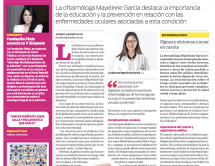
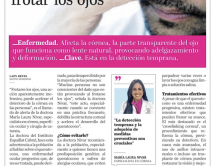
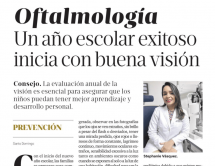
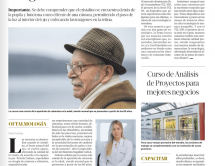
Cataracts: How to Recognize the Early Warning Signs. Diario Libre Newspaper
24 May 2026
Many people begin to notice that they need more light to read, that driving at night becomes uncomfortable, or that colors no longer appear as vibrant as they once did. Without realizing it, they gradually adapt to seeing less and often assume it is simply a normal part of aging.
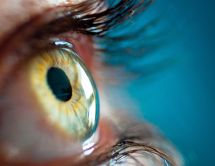
However, behind these changes, a cataract may be developing. A cataract is the loss of transparency of the eye’s natural lens, a very common condition after the age of 60 and one of the leading causes of vision loss among adults.
Today, thanks to advances in ophthalmology, cataracts can be detected and treated long before they completely interfere with daily life. Surgery has evolved into not only a solution for restoring vision, but also an opportunity to significantly improve it.
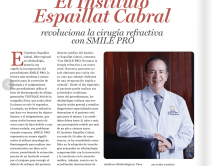
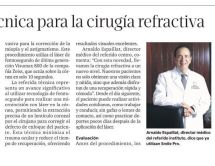
To better understand one of the leading causes of vision loss in the adult population, we spoke with Dr. Arnaldo Espaillat, Medical Director of Instituto Espaillat Cabral, about the warning signs that often go unnoticed, the most common myths surrounding cataracts, and the importance of protecting eye health before complications arise.
What are the first warning signs that may indicate a person is developing a cataract?
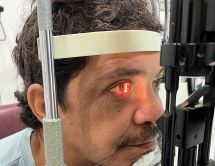
The earliest signs usually include blurred or cloudy vision, increased sensitivity to light, difficulty driving at night, seeing halos around lights, and frequent changes in eyeglass prescriptions.
Many people also notice that colors appear less vivid. It is important to understand that these changes typically occur gradually, which is why a timely eye examination is key to early detection.
Many people believe that a cataract must “mature” before it can be removed. How true is this today?
That was a common belief many years ago when surgical techniques were very different. Today, it is no longer necessary to wait for a cataract to “mature.”
In fact, the more advanced the cataract becomes, the more it can affect visual quality and, in some cases, make surgery more complex. We currently recommend surgery when the cataract begins to interfere with a patient’s daily activities and quality of life.
Are there factors other than aging that can accelerate the development of cataracts?
Yes. Although aging is the most common cause, other factors can accelerate cataract development, including diabetes, prolonged exposure to sunlight without UV protection, smoking, long-term steroid use, eye injuries, and certain pre-existing eye diseases.
Is surgery always the only solution for cataracts, or are there stages where the condition can be managed in other ways?
In the early stages, some patients may experience temporary improvement through changes in their eyeglass prescription, better lighting, or certain adjustments to their daily activities.
However, cataracts do not disappear or stop progressing with medications or eye drops. The only definitive treatment is surgery, which involves replacing the clouded natural lens of the eye with a clear artificial intraocular lens.
How have advances in technology and intraocular lenses improved patients’ quality of life after cataract surgery?
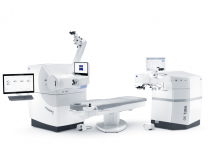
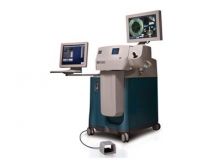
The evolution has been remarkable. Today, we have advanced laser technology and intraocular lenses that not only restore vision but can also correct visual conditions such as myopia, hyperopia, astigmatism, and presbyopia in many patients.
This has transformed cataract surgery into an opportunity not only to see better, but also to significantly improve overall quality of life.
What advice would you give for maintaining eye health and detecting conditions such as cataracts early?
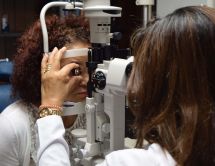
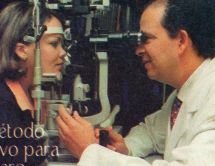
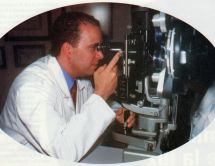
The most important thing is not to wait until vision loss becomes advanced before visiting an ophthalmologist. I recommend regular eye examinations, especially for children before they begin school and annually after the age of 40.
It is also important to protect the eyes from UV radiation, manage conditions such as diabetes, avoid smoking, and maintain healthy lifestyle habits. Detecting problems early allows us to offer better treatment options and preserve the patient’s visual quality.
Read the full press release in Diario Libre: https://www.diariolibre.com/revista/buena-vida/2026/05/24/como-reconocer-las-primeras-senales-de-alerta-de-catarata/3542680