
 REQUEST AN APPOINTMENT
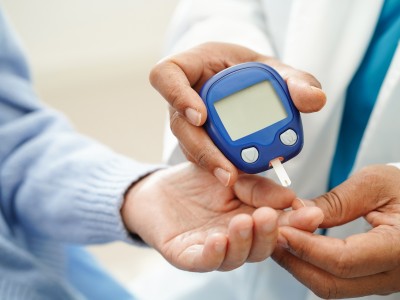
Do you have diabetes? Why you should have your retina checked, even if your vision seems fine
22 October 2026
Diabetes affects more than just your blood glucose levels; it can also affect your eye health. One of its main complications is diabetic retinopathy, a disease that damages the blood vessels in the retina and may progress without symptoms in its early stages.
That is why, if you have diabetes, it is important to have regular eye examinations, even if you have no discomfort or your vision seems normal.
What is diabetic retinopathy?
It is an eye complication of diabetes: high blood glucose levels damage the small blood vessels in the retina, the tissue at the back of the eye that allows you to see images.
Over time, this damage can cause bleeding, fluid buildup, and even vision loss if it is not detected and treated promptly.
People with diabetes also have a higher risk of developing other eye conditions, such as diabetic macular edema and cataracts.
What does a retinal evaluation involve?
A retinal evaluation helps identify changes related to diabetes before they significantly affect your vision.
Depending on each patient’s needs, the ophthalmologist may perform:
-
Dilated eye examination: allows the ophthalmologist to examine the retina and detect possible damage.
-
Retinal photography: helps document and monitor changes.
-
Optical coherence tomography (OCT): provides detailed images of the retina and detects fluid buildup, especially in the macula.
Your specialist will determine which tests you need based on the findings of your evaluation.
How often should you have your retina examined?
The frequency depends on the type of diabetes you have and the findings of each examination.
-
Type 1 diabetes: the first evaluation is generally recommended within five years of diagnosis.
-
Type 2 diabetes: an evaluation should be performed at the time of diagnosis.
-
If you already have diabetic retinopathy: you may need more frequent checkups, depending on the severity of the disease.
Do not wait until you experience blurred vision, spots, or vision loss to see an ophthalmologist. These symptoms may indicate an existing complication that requires attention. Schedule your appointment here.


